






Alberta Joins Supreme Court Fight Over Canada’s iGaming Future
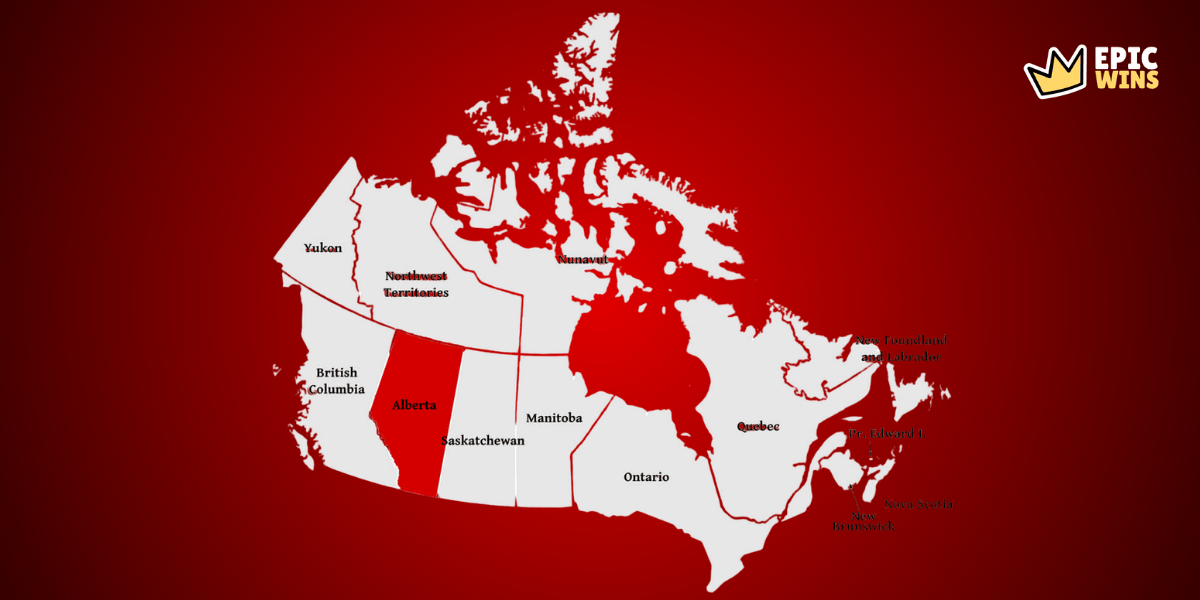
Alberta has been granted permission to intervene in the Supreme Court of Canada case that will determine whether provinces can link online poker and daily fantasy sports players with participants in other jurisdictions — a ruling that will directly shape how Alberta’s own regulated market operates when it launches in July.
The Supreme Court granted Alberta Attorney General Mickey Amery’s motion on April 14. The case, formally titled Atlantic Lottery Corporation et al. v. Attorney General of Ontario, centres on whether Ontario’s regulated iGaming market can legally offer international pooled liquidity in peer-to-peer products under Canada’s Criminal Code.
How the Case Got to the Supreme Court
The dispute originates in Ontario’s April 2022 regulated iGaming launch. Under the market’s rules, daily fantasy sports contests were classified as gambling and all bettors were required to be physically located in the province to wager. Those restrictions damaged the provincial online poker market and prompted a near-total exit of paid DFS operators.
Ontario sought a legal opinion on whether it could connect its peer-to-peer gaming operations with international markets. In November 2025, the Ontario Court of Appeal ruled that doing so would be legal under the Criminal Code. Three provincial lottery corporations — Manitoba Liquor and Lotteries, the British Columbia Lottery Corporation, and the Atlantic Lottery Corporation — filed a Supreme Court appeal in December, arguing the model “flouts” the Criminal Code. Loto-Québec joined the appeal as an appellant in early April after Justice Sheilah Martin approved its motion.
The four appellants are members of the Canadian Lottery Coalition. Ontario and Alberta both sit outside that group — Alberta Gaming, Liquor and Cannabis left the coalition in 2024 as the province began moving toward its own competitive market.
What Alberta Is Arguing
Alberta’s March filing set out a direct stake in the outcome. The iGaming Alberta Act, passed last year, mirrors Ontario’s structure in key respects. It permits individuals outside Canada to access Alberta-regulated gaming sites, provided participation is legal in their home jurisdiction — a provision whose validity depends on how the Supreme Court reads the Criminal Code.
“The iGaming Alberta Act allows for provincial regulation of a lottery scheme similar to the ‘proposed model’ in Ontario, which gave rise to the reference question underlying this appeal. Consequently, this appeal will have a significant impact on determining the legality and operation of the iGaming Alberta Act.”
Alberta plans to argue that the relevant Criminal Code provisions should be read flexibly and should not conflict with valid provincial gaming legislation. The province’s factum is capped at 10 pages and must be filed by May 25. Alberta also has a five-minute oral argument slot at the eventual hearing but cannot express a position on the final disposition of the appeal or introduce new evidence.
Alberta iGaming Minister Dale Nally told Canadian Gaming Business the province would be looking to provide its insights through the process.
Industry Sides With Ontario
Several private-sector stakeholders have filed in support of Ontario’s position. Flutter Entertainment and NSUS — the parent of GGPoker and World Series of Poker interests — both submitted factums pushing back on the appellants’ characterisation of licensed Ontario operators.
“The appellants’ submissions build in irrelevant and unjustified allegations of illegality by Flutter and others in the industry that no court has decided and to which Flutter has had no opportunity to meaningfully respond.” — Flutter Entertainment filing
NSUS argued that allowing Ontario to connect with foreign jurisdictions would not restrict any other province from setting its own rules on gaming. The Canadian Gaming Association also holds intervenor status on the pro-Ontario side of the case.
What Hangs on the Ruling for Alberta
Alberta’s regulated market is set to open on July 13, 2026 — confirmed in a letter from Minister Nally to stakeholders. Around 50 operators have expressed interest in licences, with brands including FanDuel, DraftKings, and PointsBet among those expected to launch. Provincial officials have confirmed the legal proceedings will not delay that timeline.
The court’s ruling will not, however, be irrelevant to what the market looks like at launch. Poker and DFS in Alberta face the same structural constraints Ontario operators encountered in 2022: fenced-off provincial liquidity reduces pool sizes, limits game variety, and makes viable poker economics difficult. Operators launching into Alberta’s poker vertical will be doing so without certainty on whether cross-border pooling will ever be available to them.
Ontario’s February 2026 iGaming report illustrated the scale of the problem: poker generated C$135m in wagering handle and C$5.6m in operator revenue — 1.6% of monthly handle and GGR, both figures down year on year.
Currently over 70% of online gambling in Alberta takes place on unregulated offshore sites. Provincial authorities are targeting a shift comparable to Ontario’s, which channelled approximately 80% of online gambling volume to regulated platforms after its 2022 launch. Whether Alberta can replicate that trajectory — and whether poker and DFS factor meaningfully into it — will partly depend on what Canada’s highest court decides.
No hearing date has been set for the Supreme Court proceedings.
For related coverage, see Ontario iGaming revenue hits C$4bn in 2025 and Alberta iGaming registration opens for 2026 market launch.
Source: Canadian Gaming Business, Covers, iGaming Today