

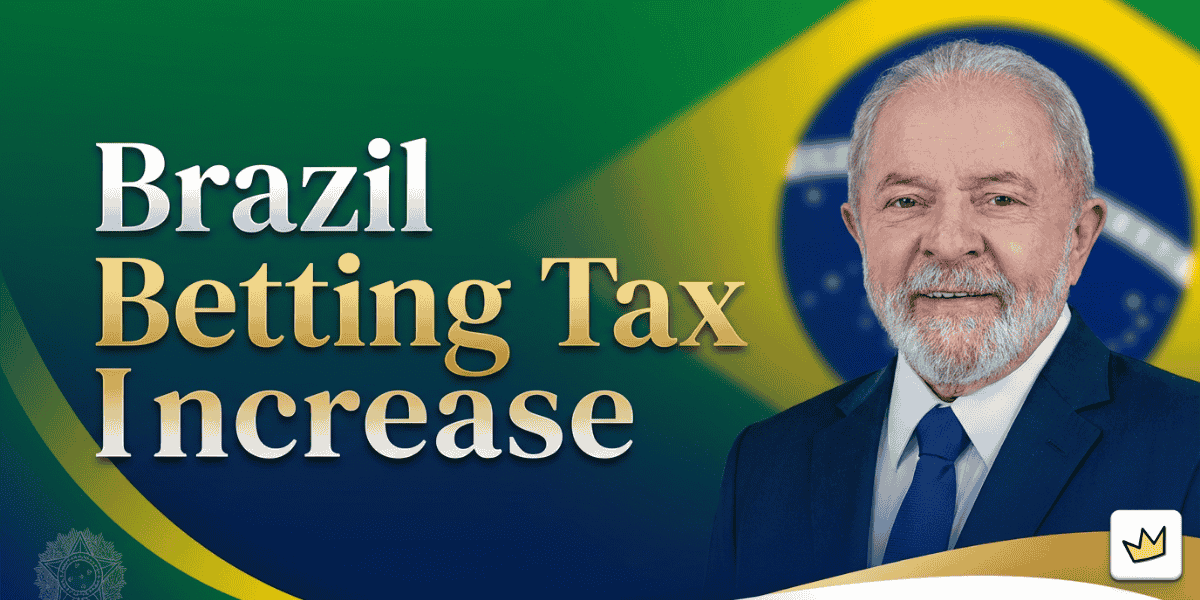
Brazil has enacted new legislation that increases taxation on betting operators through a progressive framework designed to generate additional funding for the country’s social security system.
President Luiz Inácio Lula da Silva sanctioned the bill approved by Congress, which was published in the Official Government Gazette this week. The legislation establishes a graduated tax increase on operator revenue, beginning at 1% in 2026, rising to 2% in 2027, and reaching a maximum of 3% in subsequent years.
Revenue Projections and Enforcement Measures
According to the bill’s rapporteur, the new tax structure is projected to generate BR$850 million ($152 million) in additional revenue during 2026. The measure forms part of the government’s broader strategy to consolidate Brazil’s regulated gambling market while addressing social security funding requirements.
The legislation includes enforcement provisions that hold individuals accountable for promoting betting platforms operating illegally within Brazil. This component strengthens the government’s regulatory toolkit as authorities work to reduce the unregulated market segment.
Presidential Veto and Parliamentary Amendments
President Lula vetoed a clause inserted during congressional debate that would have permitted the reinstatement of unpaid parliamentary amendments from 2019 to 2023, valued at approximately BR$3 billion. The veto represents a significant fiscal decision separate from the core betting taxation framework.
Market Performance and International Interest
Brazil collected approximately $1.6 billion in federal tax on gambling activities between January and November of the previous year, demonstrating strong revenue generation from the sector. The substantial collection figures underscore the market’s scale as it operates under the country’s evolving regulatory framework.
International operators continue monitoring Brazil’s regulatory development as part of their expansion planning. Kalshi’s Co-Founder has indicated the company expects to enter the Brazilian market by next year, reflecting ongoing international interest in the jurisdiction.
Regulatory Framework in Development
As Brazil’s regulated betting market completes its first year of legal operation, the regulatory framework remains in a period of adjustment. The government continues refining its approach to balance multiple objectives: revenue generation, market stability, consumer protection, and regulatory oversight.
The progressive tax structure provides operators with predictable increases over a three-year period, allowing businesses to incorporate the tax burden into their financial planning while the market matures under formal regulation.
Source: Brazilian Government