





New York City’s first full-scale casino is trying to persuade Governor Kathy Hochul’s administration to reduce its tax bill by hundreds of millions of dollars, and the state is refusing. The dispute is now likely to reach a courtroom.
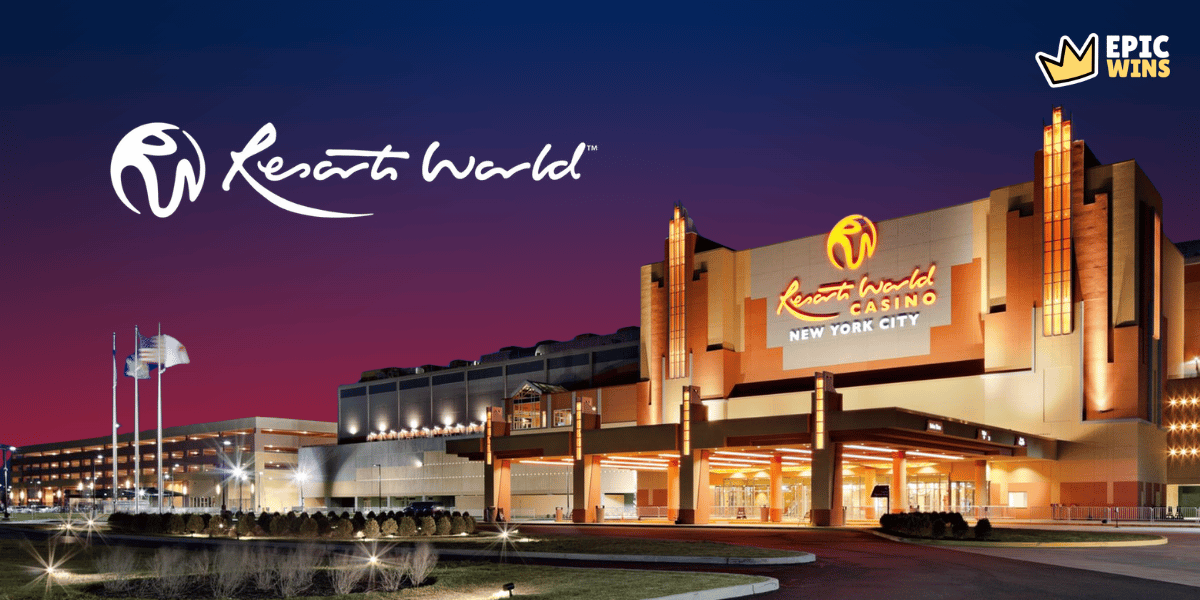
Resorts World New York City, owned by Malaysian conglomerate Genting, opened at the Aqueduct Racetrack in Queens in April 2026. It is arguing that the payments it must make to New York’s horseracing industry, worth more than $150 million a year, should be counted inside the 56% tax rate it bid for its licence rather than added on top of it. The state Gaming Commission says the two are separate, which would put Resorts World’s effective rate on slot revenue at 72%.
More than $500 million is at stake, according to New York Focus, which reported the dispute. September 4 is the deadline for the casino’s owners to file a legal challenge.
“By law, tax rates do not, and have never, included racing support payments,” Hochul spokesperson Gordon Tepper said in a statement.
What the 56% claim rests on
Resorts World’s position comes from the wording of its licence application last year, in which it proposed to pay a “tax rate of 56 percent, inclusive of racing support.” The state says it never accepted that language and that accepting it would break the law.
The racing payments themselves date to 2001, when New York legalised video lottery terminals and required operators to share revenue with the horseracing industry. In 2023, when lawmakers set the rules for the three downstate casino licences, they added a requirement that the new casinos keep racing support at the level video lottery facilities were paying in 2019, adjusted for inflation. The state projected in 2023 that the downstate casinos would owe the racing industry around $151.7 million a year between them.
Resorts World is the only one of the three licensees currently paying. Bally’s Bronx and Metropolitan Park in Queens must be built from the ground up and are not expected to open until around 2030, while Resorts World converted its existing video lottery facility at Aqueduct into a full casino. Until the other two open, Resorts World carries the racing bill alone.
The other two licences pay far less
The 56% rate Resorts World bid is well above what its competitors offered. Bally’s Bronx will pay a maximum of 30% and Metropolitan Park 25%. State officials say both will make racing support payments separately from those rates, and neither has objected publicly.
That gap is central to the state’s case. Vicki Been, an NYU Law School professor and former deputy mayor who chaired the board that recommended Resorts World for a licence, said in an interview with New York Focus that the company has no standing to demand changes. The board issued written guidance against altering the bid tax rates after an earlier attempt by Resorts World to amend its application, reported by Bloomberg in November 2025.
“We wanted to make it crystal clear that if they went back to the legislature and said, ‘It’s so unfair that the others bid a lot lower and they’re paying a lot less’, well, that’s the bidding process, that’s what you bid,” Been said.
A $3.3 billion expansion and its lenders
Resorts World has suggested it could walk away from a planned $3.3 billion expansion of its Jamaica, Queens complex if it has to pay the higher rate. The project broke ground in July 2026 and is supposed to deliver a 2,000-room hotel, an arena, 6,000 slot machines and 800 gaming tables, creating 5,000 permanent jobs once finished in 2029.
The company plans to fund much of that with borrowed money. The state panel that reviewed the bid last year recommended a licence but recorded “concerns that the project’s financing plan relies heavily on future operating cash flow and future debt financing to fund a substantial portion of development costs.”
Queens state Senator Joe Addabbo, who chairs the Senate’s Racing, Gaming and Wagering Committee and supports the casino, said executives have told him the higher rate could cost them their financing.
“Based on what they tell me, the jeopardy comes with the lenders,” Addabbo said. “If 56 percent turns into 72 percent, I think any rational person would see that as a problem, let alone a bank.”
Resorts World spokesperson Stefan Friedman said the company is “having constructive conversations with the state and are hopeful about continuing to build on our successful partnership.” Friedman did not answer questions from New York Focus about whether the company is seriously considering dropping the expansion.
Lobbying, a letter and a concert
Resorts World spent the spring lobbying Albany, and the effort ended in a one-year delay. Legislators voted to keep the racing payments flowing while the argument continues, and made the Gaming Commission responsible for distributing the money directly to the racing industry. The company is now pushing again to have its reading of the tax rate written into law.
On August 25, Congressman Gregory Meeks and nine other Queens lawmakers, Addabbo among them, wrote to the Gaming Commission asking it to confirm that the 56% rate includes racing support. The uncertainty threatens “billions of dollars in private investment, thousands of jobs, local businesses, and the communities we represent,” they wrote.
Genting has seven lobbying firms on its payroll in New York this year, state records show. Last month the casino sponsored a concert on Martha’s Vineyard featuring Rakim, Slick Rick and Big Boi. Assembly Speaker Carl Heastie appeared to attend, based on a post on his own Instagram account, as did Patrick Jenkins, an Albany lobbyist close to Heastie whose firm works for Genting. Friedman said Resorts World hosts “widely attended public events on Martha’s Vineyard every year to extend our brand recognition.” He did not say directly whether the concert would be reported as lobbying activity.
What the state stands to lose
Casino revenue in New York is earmarked for public schools and the Metropolitan Transportation Authority (MTA). A state-commissioned report projected that Resorts World would pay roughly $2 billion each in MTA and education taxes between 2027 and 2036, on the assumption that it pays the 56% rate accepted by the Gaming Commission. Tim Ruffinen, a spokesperson for the Division of the Budget, said the state’s financial plan assumes that rate.
“The State’s priority is to generate substantial tax revenue for public education and mass transit, ensure continued support for the racing industry, and deliver the investment, jobs and economic benefits Resorts World promised for Southeast Queens and New York State,” Tepper said.
The 56% Resorts World bid is among the highest commercial casino tax rates in the United States. Atlantic City operators pay 9.25% on gaming revenue, Michigan 19% and Ohio 33%.